
Hands-On Adjustments in Yoga - Why I Rarely Offer Them in Group Flow Classes
Jenny Smith | JUN 4, 2025
hands-on adjustments
group yoga classes
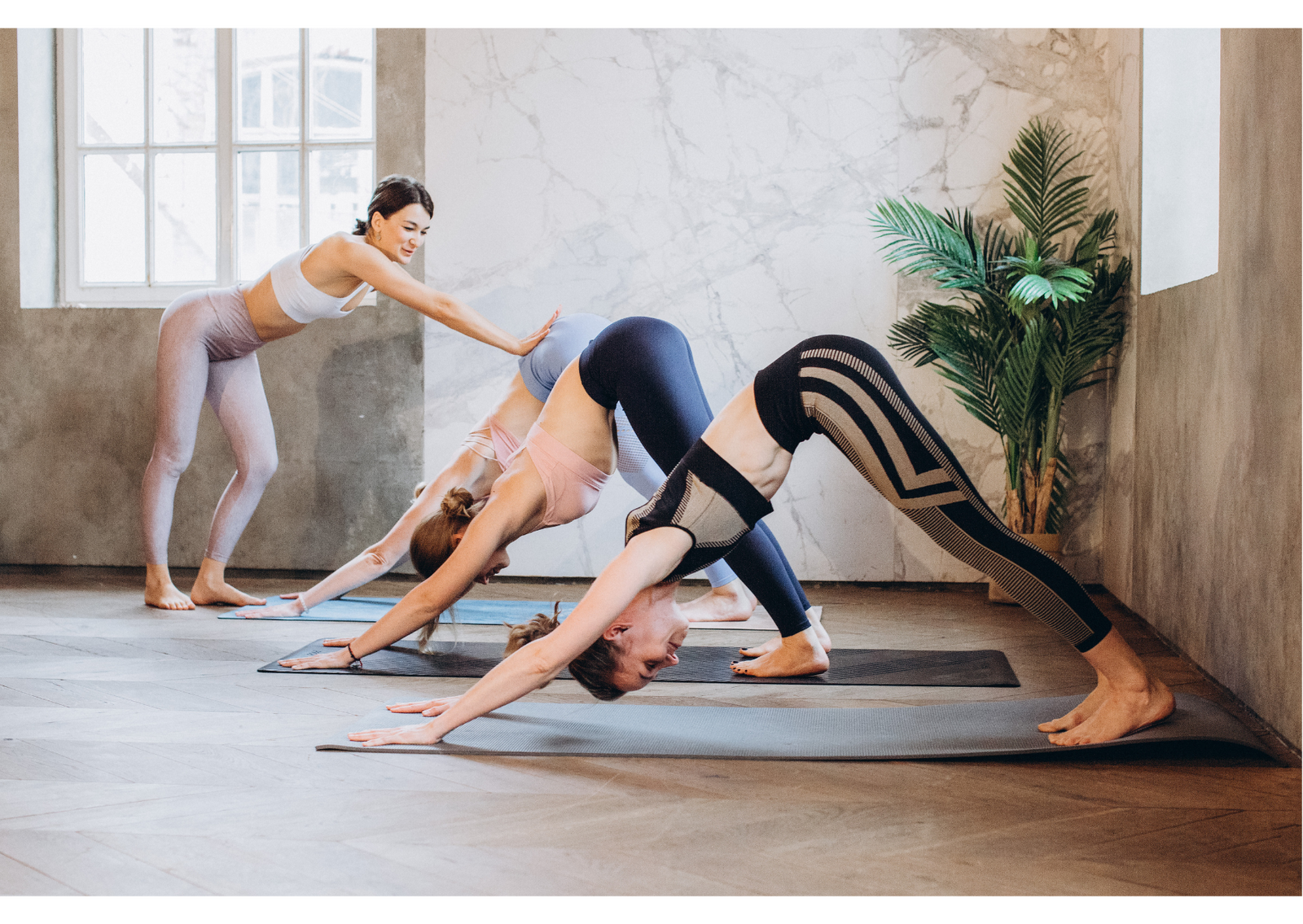
When I first began teaching yoga, I offered hands-on assists regularly. I loved receiving them as a student and saw them as a supportive way to guide alignment. But over time, especially through my studies in trauma-informed yoga, my approach has shifted.
Many people arrive on their mats carrying stress, grief, or trauma. Even a well-intentioned touch can feel intrusive or unsafe. Since I can’t know what someone might be holding in their body or nervous system, I choose to be extremely mindful with physical adjustments.
In trauma-sensitive yoga, the best practice is to avoid hands-on adjustments. If they are included, it’s important not just to get general permission at the start of class, but to ask for consent every single time hands-on touch is offered. That level of care and intention takes time, communication, and attention that can interrupt the flow of a public group practice.
Every body is different. Alignment isn’t one-size-fits-all. What works beautifully for one person might be uncomfortable, or even harmful, for another. I take into account things like skeletal structure, previous injuries, mobility, emotional state, and each student’s personal intention for their practice. A single “universal” adjustment can’t account for all that, and in a group setting, there’s usually not enough time or context to offer truly personalized touch to each person.
Another layer is the power dynamic between teacher and student. Even when consent is requested, many people don’t feel comfortable declining the offer in front of others. Creating a space where everyone feels safe, respected, and empowered is a huge priority for me. One of the ways I do that is by minimizing anything that could compromise a student’s sense of autonomy, and that includes hands-on adjustments.
That said, intentional and consensual touch can be deeply healing when it’s welcomed. In my Yin and Restorative Yoga classes, I offer gentle hands-on enhancements, not for alignment, but to support relaxation and grounding. These are always optional and offered in a way that allows students to decline without explanation.
If you’re someone who learns best through physical feedback or wants more personalized alignment support, private sessions are a fantastic option. In a one-on-one setting, we can build trust, move at your pace, and tailor the experience to your unique body. I’ve worked with many students one-on-one, including trauma survivors, and in that safe, supported setting, hands-on support can be a valuable part of the experience. If more detailed alignment instruction is something you’re seeking, exploring private sessions or trying out styles like Iyengar Yoga (which focuses deeply on alignment) might be a great next step.
In public group classes, I’ll continue offering verbal alignment cues and doing my best to make them accessible, adaptable, and clear. But I’ll also keep encouraging students to notice how a posture feels, not just how it looks. The “correct” alignment is the one that honors your body, breath, and intention. What feels right may look different from one person to the next, and even from one day to the next in your own body.
My approach comes from years of study, personal experience, listening to students, and a deep commitment to creating safe, empowering spaces for practice. Every teacher brings their own perspective, and there’s no one perfect way to lead a yoga class. Other skilled teachers may have a different perspective and do things differently. This is simply what feels most respectful, responsive, and aligned for me.
Jenny Smith | JUN 4, 2025
Share this blog post



© 2026 Grand Lake Yoga